


Charity that walks alongside the people: A synodal mission in Guaimaca
Today, the Church invites us to embrace synodality as a path of communion, participation, and mission. For the Sisters of the Dominican Charity of the Presentation, this invitation finds profound resonance in the charism received from Marie Poussepin, who understood that charity attains its full meaning when it becomes concrete, tangible, transformative service. Walking together means recognizing each person's dignity, listening to their needs, sharing their joys and hopes, and proclaiming the Gospel through actions that make God's love visible.
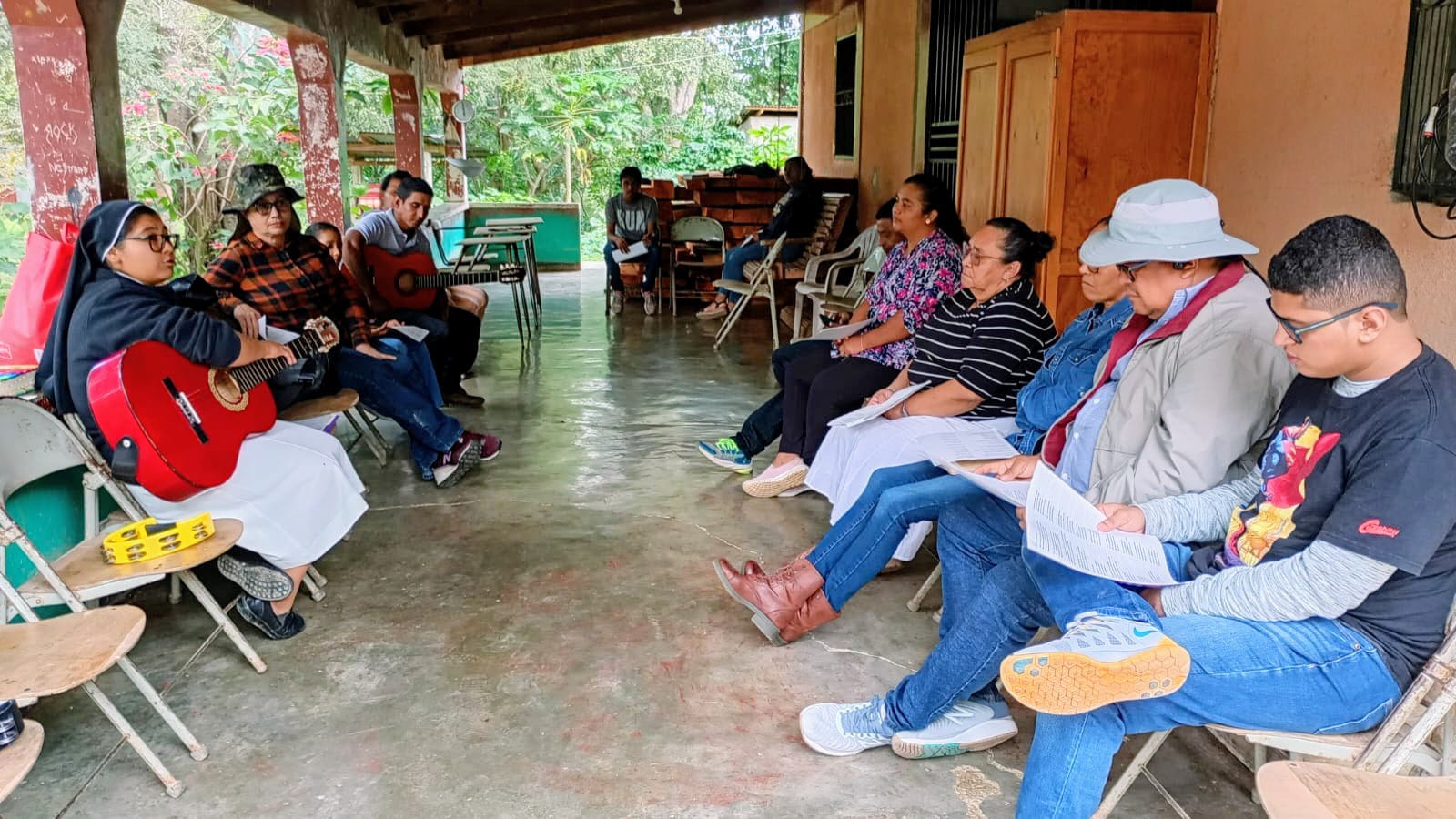
In Guaimaca, this way of living out the mission becomes a reality every day. The religious community, together with support teams from each mission site, committed laypeople, national and international volunteers, donors, and the local Church, continues to weave a network of brotherhood where each individual contributes their gifts to the common good. Thus, synodality ceases to be merely a concept and transforms into an experience of encounter, shared responsibility, and service, inspired by the charity that characterized the life of Marie Poussepin.
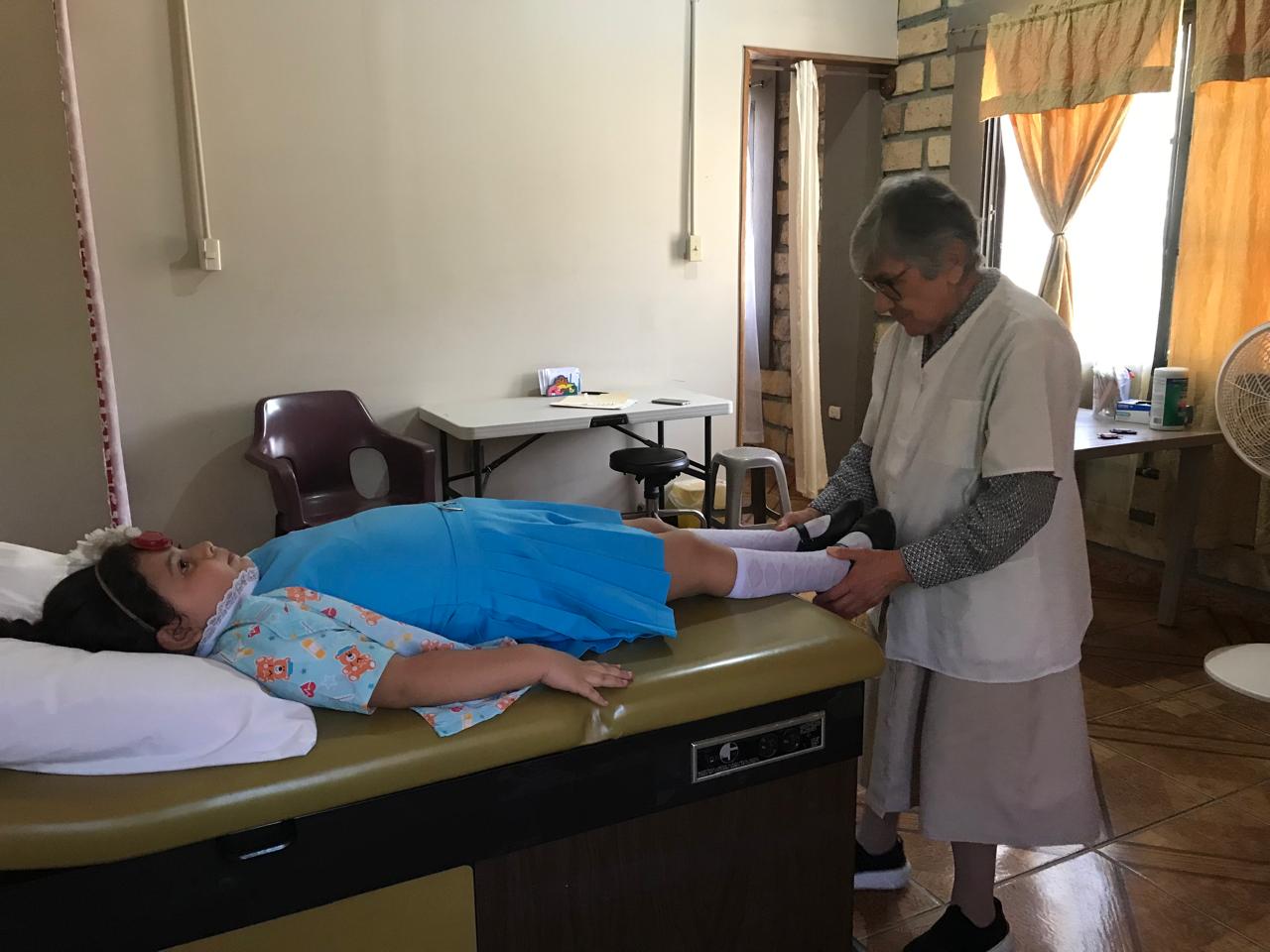
The Catholic Clinic is one of the places where this charity takes on a human dimension. Every person seeking medical care receives respectful hospitality, sincere listening, and treatment that acknowledges their dignity. General medicine, dentistry, physical therapy, and complementary therapies embody a holistic approach aimed at alleviating physical suffering, strengthening hope, and reminding us that every life deserves to be supported with love and compassion. There, health becomes an opportunity to evangelize through proximity and service.
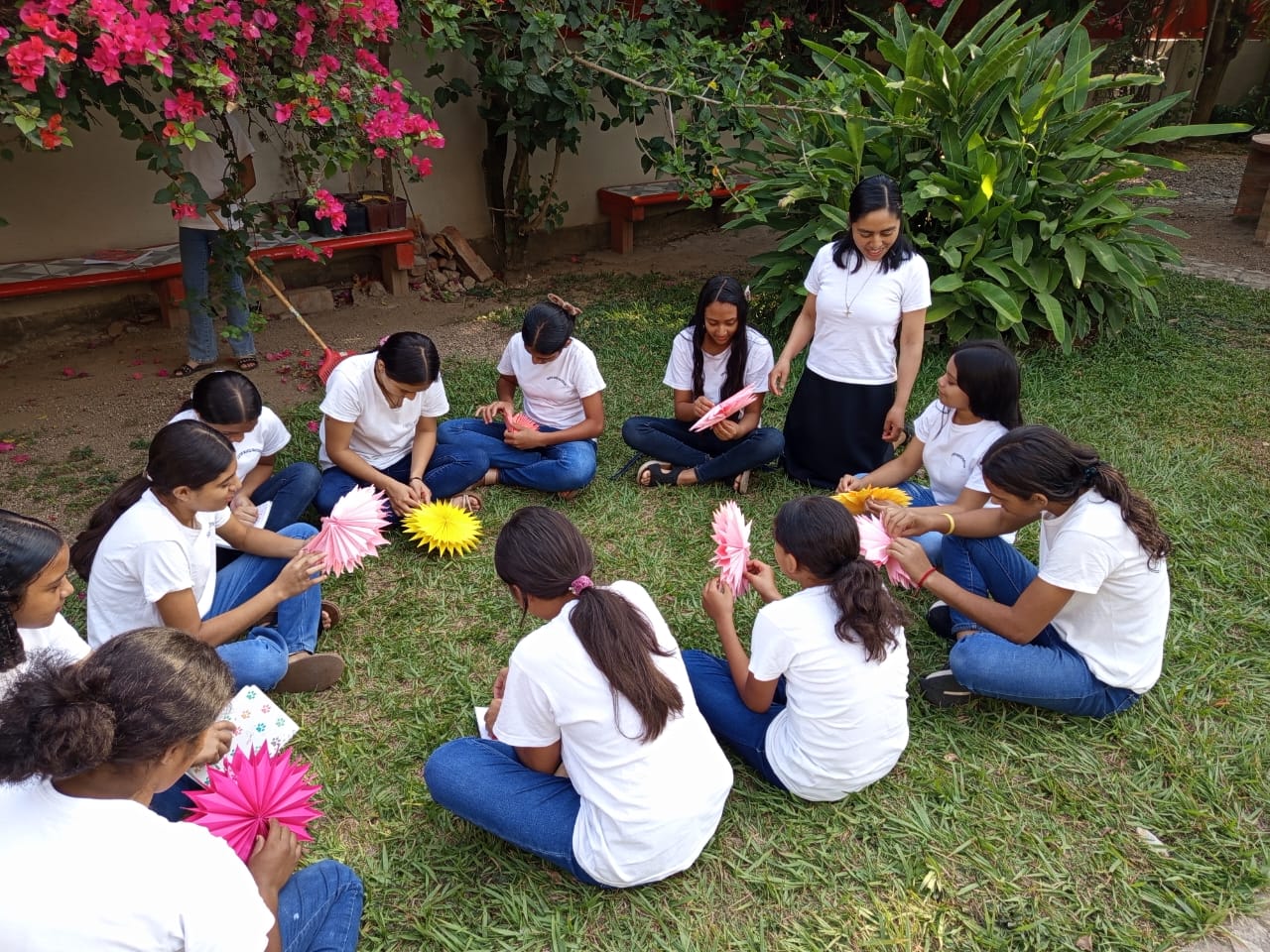
The same spirit inspires the Marie Poussepin Center, where education is regarded as a genuine act of charity. Welcoming girls and adolescents from rural communities means opening paths of hope for those who often face limited opportunities for development. Academic training, complemented by the cultivation of values, Christian life, acquisition of new skills, and personal support, aims to nurture women who are independent, responsible, and committed to transforming their lives.
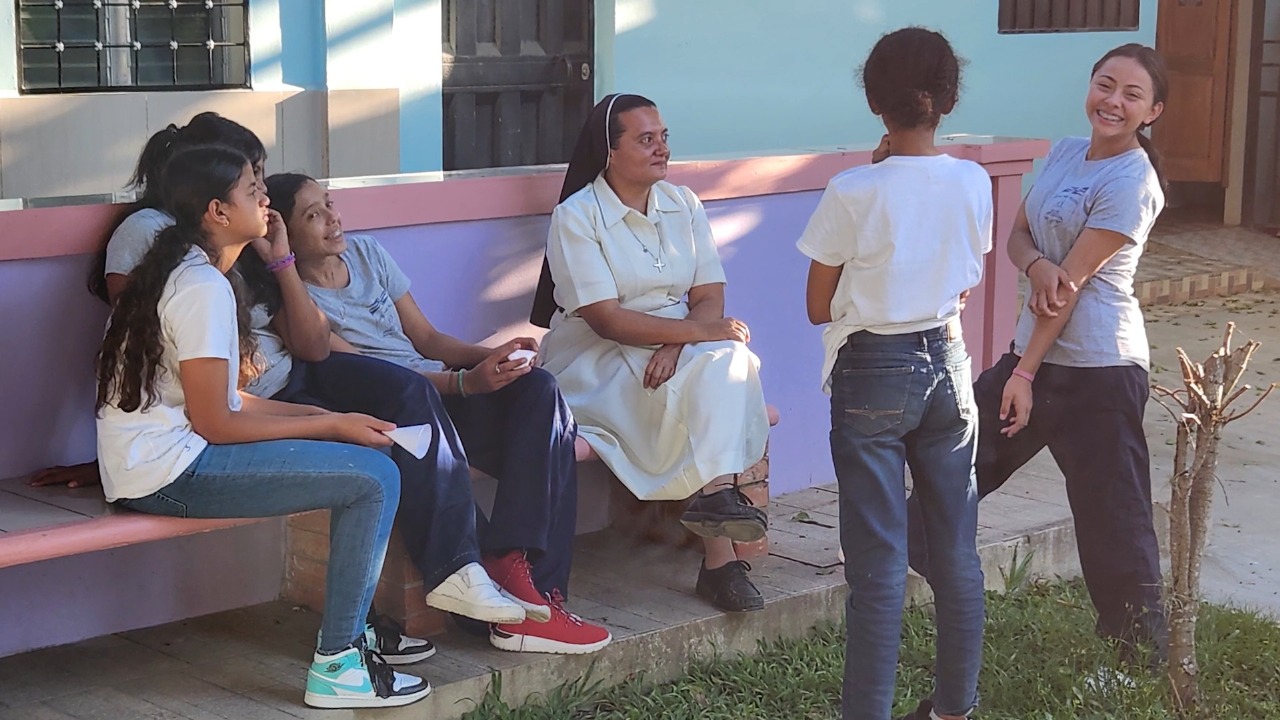
Educating through charity means believing in each young person's potential, helping them discover the gifts God has planted within them, and providing them with the necessary tools to build a meaningful life journey. This is a concrete way of proclaiming that the Gospel dignifies individuals, empowers them, and creates new opportunities for both people and their communities.
The care of creation is equally central to this mission. The Finca Nazaret demonstrates that charity extends to our relationship with the common home. The conservation of forests, agricultural production, cultivation of medicinal plants, and protection of natural resources all reflect a commitment to holistic ecology—where love for God manifests as respect for creation and responsibility toward future generations.
None of this would be possible without the fraternal spirit that underpins the mission. The community of sisters finds in prayer, mutual listening, discernment, and daily sharing the source of their apostolic dedication. It is there that Charity begins to take shape, strengthening the communion among the sisters before extending its reach to all people.
Guaimaca Community, Honduras.